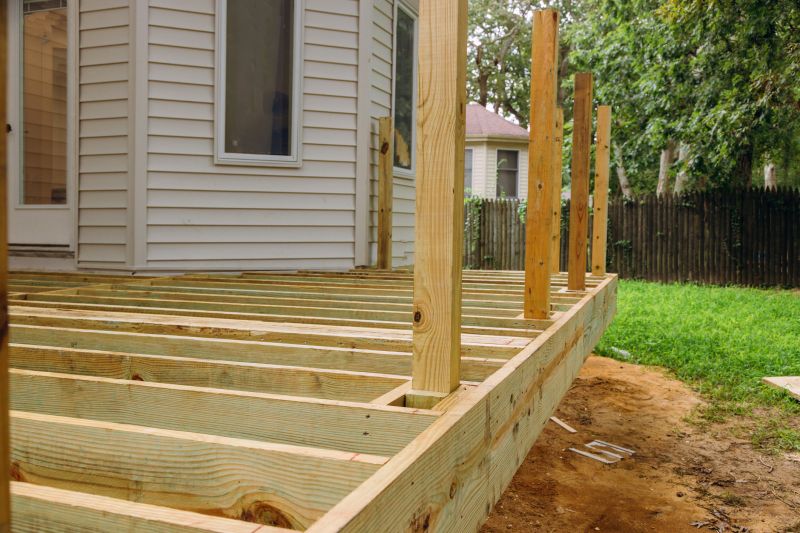
Wooden Veranda Construction in Boston, MA
Wooden veranda construction services focus on creating outdoor living spaces that enhance both the aesthetic appeal and functionality of a property. These projects typically include building new verandas, expanding existing ones, or replacing older structures with fresh, durable wooden designs. Homeowners often seek these services to add charm to their homes, create shaded areas for relaxation, or improve outdoor entertainment spaces, making their property more inviting and versatile.
Before requesting wooden veranda construction, property owners usually want to understand the scope of the project, including the types of wood used, design options, and structural considerations. It’s also helpful to consider the overall style of the home, any local building codes or permits required, and how the new veranda will integrate with existing outdoor features. Clear communication about preferences and expectations can help ensure the final result aligns with the homeowner’s vision.
Many property owners in Boston, MA look into Wooden Veranda Construction for repairs, replacements, upgrades, and appearance-related improvements.
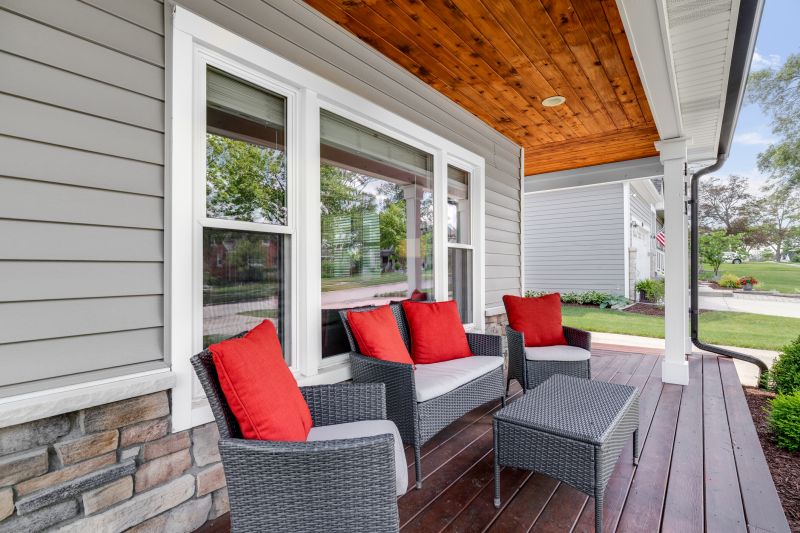
Design And Planning
Custom wooden verandas can enhance outdoor living spaces in boston homes.
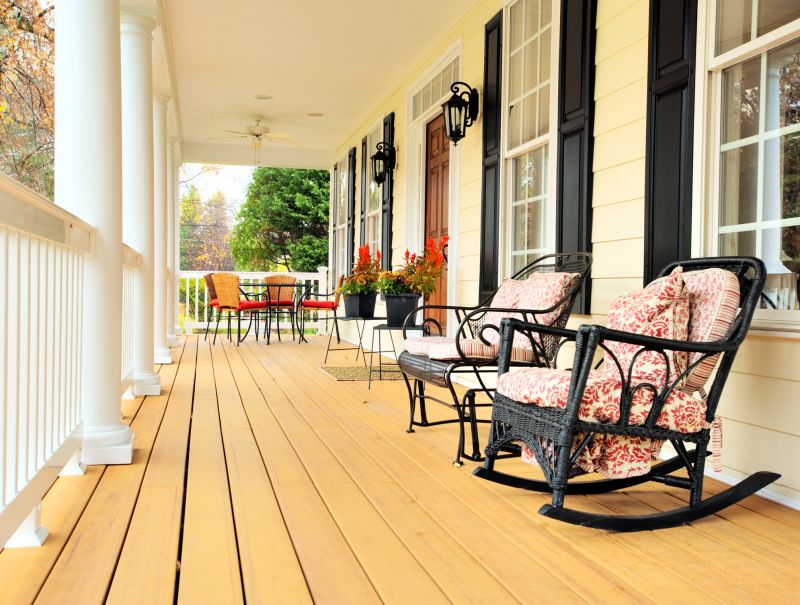
Material Selection
Choosing quality wood ensures durability and aesthetic appeal for your veranda project.
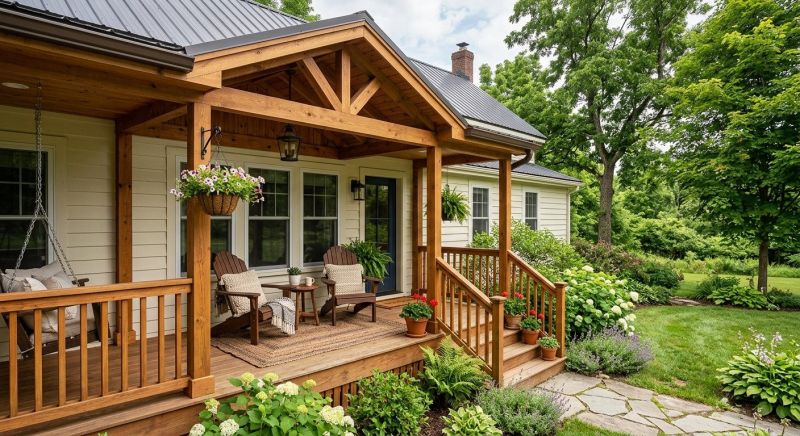
Construction And Installation
Professional craftsmanship guarantees a sturdy and attractive addition to any property in the boston area.
Wooden Veranda Construction in Boston, MA

Wooden veranda construction services focus on creating outdoor living spaces that enhance both the aesthetic appeal and functionality of a property. These projects typically include building new verandas, expanding existing ones, or replacing older structures with fresh, durable wooden designs. Homeowners often seek these services to add charm to their homes, create shaded areas for relaxation, or improve outdoor entertainment spaces, making their property more inviting and versatile.
Before requesting wooden veranda construction, property owners usually want to understand the scope of the project, including the types of wood used, design options, and structural considerations. It’s also helpful to consider the overall style of the home, any local building codes or permits required, and how the new veranda will integrate with existing outdoor features. Clear communication about preferences and expectations can help ensure the final result aligns with the homeowner’s vision.
Many property owners in Boston, MA look into Wooden Veranda Construction for repairs, replacements, upgrades, and appearance-related improvements.
Common Wooden Veranda Construction Jobs
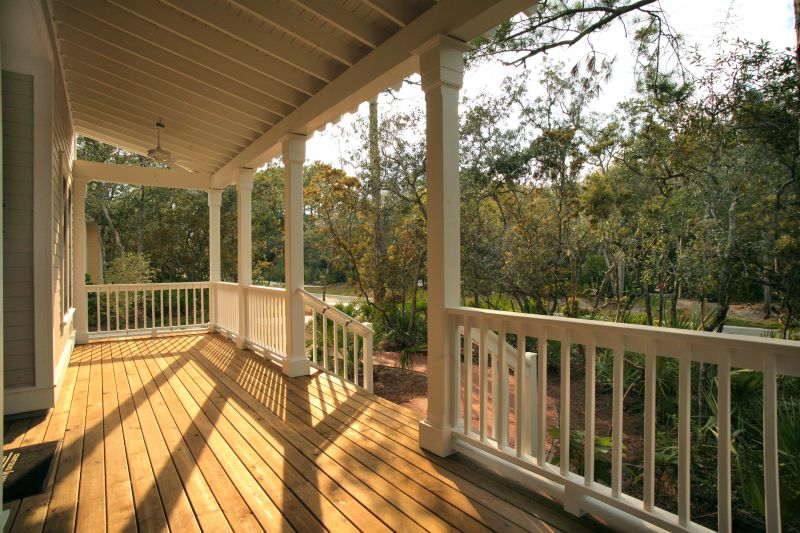
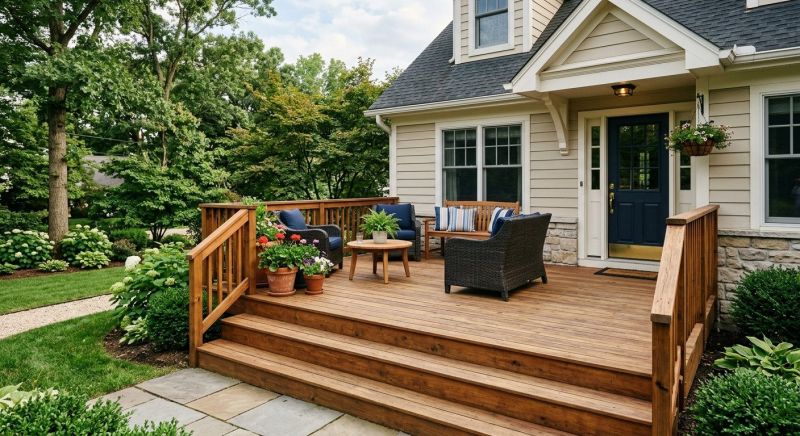
Wooden Veranda Construction - custom-designed verandas enhance outdoor living spaces with natural wood finishes.
Porch Enclosure - adding walls or screens to create sheltered outdoor areas for year-round use.
Deck Extension - expanding existing verandas to increase space for seating and entertainment.
Covered Verandas - installing roofs or canopies to provide shade and protection from the elements.
Decorative Railings - incorporating stylish wooden railings to improve safety and aesthetic appeal.
Structural Repairs - restoring and reinforcing existing verandas for safety and longevity.
Wooden Veranda Construction Questions
What types of wood are suitable for veranda construction? Common options include cedar, pressure-treated pine, and redwood, chosen for durability and appearance.
Can a wooden veranda be added to an existing porch? Yes, many projects involve extending or upgrading existing structures with new wooden framing and decking.
What design styles are available for wooden verandas? Designs range from traditional to modern, with options for open decks, screened-in areas, and decorative railings.
What maintenance is required for a wooden veranda? Regular sealing, staining, and inspections help preserve the wood and maintain its appearance over time.
Request Wooden Veranda Construction in Boston, MA
Use the quote form on this page to share the basics of your project and request more information for the type of work you need.